01 — History
History of terrorism in Uganda
Uganda’s experience of terrorism spans decades, affecting communities in different parts of the country. Attacks on schools, villages, public spaces and places of work have taken lives, separated families and disrupted livelihoods.
Northern Uganda
In northern Uganda, the Lord’s Resistance Army (LRA) inflicted widespread violence through killings, abductions, sexual violence and the forced recruitment of children. Attacks on communities and displacement camps, together with the abduction of school children, left profound and lasting harm. The International Criminal Court’s proceedings concerning LRA crimes have recognised the experiences of victims of these atrocities.
Western Uganda
In western Uganda, attacks by the Allied Democratic Forces (ADF) brought killings, abductions and displacement. The June 1998 attack on Kichwamba Technical Institute remains a painful chapter in this history: students were killed when dormitories were set on fire, while others were abducted. Survivors and bereaved families continue to carry the consequences.
An earlier attack had targeted St John’s Minor Seminary in Kiburara, Kasese District, on 16 August 1997, when ADF fighters abducted 19 students and two workers. Their experiences highlight another enduring consequence of terrorism: captivity and the difficult journey of rebuilding life after return. Years later, survivors have spoken about lasting injuries and the need for acceptance and support, reminding communities that recovery also means welcoming former abductees home with dignity and without stigma.
This was coupled with a series of urban bombings in Kampala and Jinja between 1996 and 2001.
Attacks on everyday life
On 11 July 2010, bombings struck people gathered to watch the football World Cup final at venues in Kampala. More than 70 people were killed. Al-Shabaab claimed responsibility for the attacks, which turned an evening of shared enjoyment into devastating loss for families in Uganda and beyond.
In October and November 2021, Uganda experienced another series of bomb attacks. These included attacks in Komamboga and on a passenger bus in Mpigi, followed on 16 November by bombings near Kampala’s Central Police Station and along Parliamentary Avenue. Civilians and police personnel were killed or injured, and businesses and public spaces were damaged.
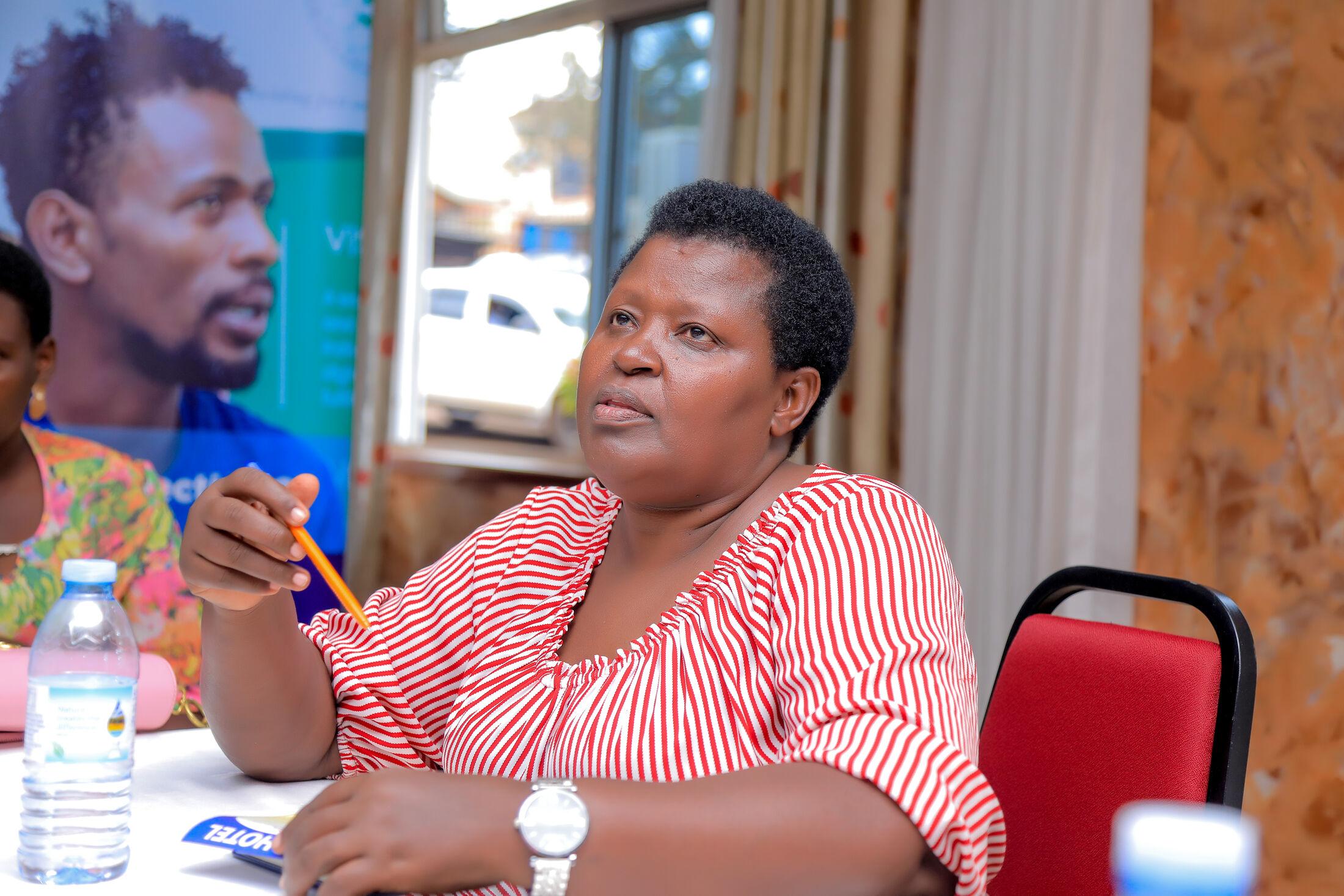
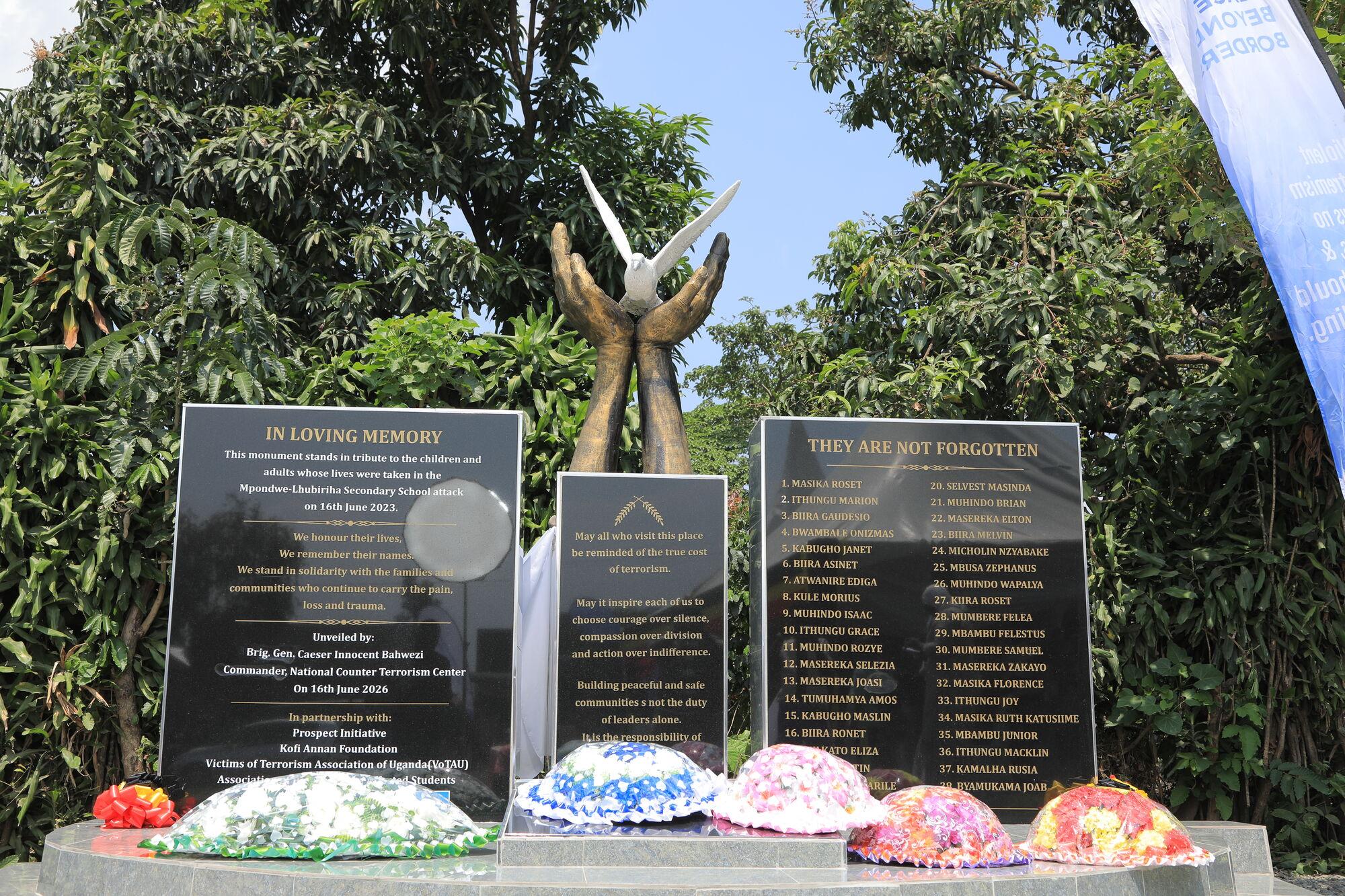
On 16 June 2023, an attack on Mpondwe-Lhubiriha Secondary School in Kasese again brought devastating violence into a place of learning. Students and other community members lost their lives, while others were injured or abducted. Families were left mourning children whose futures they had hoped to celebrate.
The consequences continue after an attack
These incidents form part of a wider history. For those affected, the consequences can include lasting injury, disability, psychological distress, interrupted education, loss of income and the daily absence of loved ones. Former abductees may also face the difficult process of rebuilding their lives after prolonged captivity.
This history underlines the importance of sustained support, remembrance, justice and prevention. VoTAU brings affected people together so their experiences can inform public understanding, their needs can receive attention, and their voices can help shape a more peaceful Uganda.
02 — Identity
Identity statement
The Victims of Terrorism Association of Uganda (VoTAU) is a voluntary national platform uniting survivors of terrorist attacks, former abductees, affected families and dependents, and first responders who have suffered harm.
Established in 2025 to address gaps in victims’ representation and support, VoTAU brings victims together to support one another, advocate for recognition, rights and recovery, and contribute to a more peaceful and resilient Uganda.
We respect each person’s choice about whether, when and how to participate, recognising that healing takes different paths.
Vision
A dignified, resilient, and empowered community of victims of terrorism contributing positively to peace and development.
Mission
To organize, support, and empower victims of terrorism through advocacy, psychosocial support, socio-economic recovery initiatives, solidarity, and constructive participation in peacebuilding and prevention of violence efforts.
03 — Structure
Structure & leadership
Led by victims. Connected to communities. VoTAU’s structure places members at the centre of the association, connecting their experiences and priorities to national leadership and day-to-day coordination. It brings together the General Assembly, National Executive Committee, Secretariat, and Regional and District Chapters, with distinct responsibilities for oversight, management and member participation.
General Assembly
The General Assembly is VoTAU’s highest governing body and comprises all members of the association. It provides a forum for members to shape the association’s direction, review progress, hold leaders accountable and elect the National Executive Committee.
As membership grows, a representative delegate system may be introduced to maintain meaningful participation across the association.
National Executive Committee
Elected by the General Assembly, the National Executive Committee provides strategic leadership and oversight. It guides institutional development, represents members’ interests and oversees the association’s priorities, plans and partnerships. At the Annual General Meeting held on 28 August 2026, members elected the following leaders for the 2026–2028 term:
| Position | Elected leader | Attack experience |
|---|---|---|
| Chairperson | Kuddzu Isaac | 2010 Kampala Bombings |
| Vice Chairperson — Western | Mupasula Asanasio | 2023 Mpondwe School Attack |
| Vice Chairperson — Central | Katana Frank | 2021 Parliamentary Avenue Bombings |
| Membership and Mobilisation Secretary | Katongole Fred | 2021 Central Police Station Bombings |
| Economic Recovery and Livelihoods Secretary | Muhindo Restetuta | 2023 Mpondwe School Attack |
| Health and Psychosocial Wellbeing Secretary | Dhibaluma Denis | 2021 Central Police Station Bombings |
| Administration and Institutional Development Secretary | Rukundo Justine | 2023 Mpondwe School Attack |
| Research, Documentation and Monitoring Secretary | Joan Lamwaka | 2021 Central Police Station Bombings |
| Partnerships and Resource Mobilisation Secretary | Ssemujju Robert | 2010 Kampala Bombings |
| Communications and Public Relations Secretary | Ekip Isaac | 2021 Central Police Station Bombings |
| International Cooperation Secretary | Ndugwa Hassan | 2010 Kampala Bombings |
Secretariat
The Secretariat coordinates the association’s day-to-day work. Led by the Executive Director and supported by the Administrative Secretary, it translates approved priorities into practical action through administration, activity coordination, member communication, documentation, reporting and engagement with partners.
Its work supports continuity and effective implementation, while the General Assembly and National Executive Committee provide governance and strategic oversight.
Regional and District Chapters
Regional and District Chapters connect members in their localities with the national association, helping ensure that leadership remains informed by victims’ everyday experiences.
District Chapters support member mobilisation, identification and verification, local engagement, peer support and communication of members’ needs. Regional Chapters connect district-level priorities, encourage coordination and shared learning, and bring emerging concerns to national leadership.
Through these structures, VoTAU seeks to build an association in which members can participate meaningfully, influence decisions and contribute to collective recovery and peace.
04 — Governance
Governance & management standards
VoTAU’s leadership carries a shared responsibility: to represent victims faithfully, protect their dignity and manage the association’s work and resources responsibly. Our governance and management framework is guided by three complementary documents.
Our Constitution
The registered VoTAU Constitution establishes the association’s purpose, membership rights, leadership responsibilities and decision-making procedures. Its key provisions include:
- Members’ rights to participate in General Meetings, submit proposals and stand for election, subject to constitutional requirements.
- Elections and defined terms of office, with integrity, active membership and commitment to victims’ rights among the qualifications for leadership.
- An Annual General Meeting, with provisions for quorum, voting and documented resolutions.
- General Assembly approval of annual workplans, budgets, financial statements and audited accounts.
- Fair disciplinary procedures, including an opportunity to be heard and a right of appeal to the General Assembly.
- Non-discrimination in admission to membership and procedures for approving constitutional amendments.
These provisions give members a voice in the association’s direction and establish the responsibilities against which leaders can be held accountable.
Our Operational Guidelines
The Operational Guidelines translate governance commitments into practical procedures for planning, implementation and responsible use of resources. They require:
- Activities aligned with the Constitution, strategy and members’ identified needs, supported by approved plans and budgets.
- Consultation with members, clear approval responsibilities and proper records of decisions and activities.
- Financial documentation, separation of duties, authorised payments and reporting against approved expenditure.
- Fair procurement, value for money and disclosure and management of conflicts of interest.
- Transparent engagement of staff, volunteers and consultants, with clear responsibilities and standards of conduct.
- Voluntary, trauma-sensitive participation, confidentiality, gender inclusion and equitable treatment of different categories of victims.
- Safe channels for raising concerns, fair and confidential complaints handling, and learning from participants’ feedback.
The Guidelines provide for review at least annually, allowing management practices to improve as VoTAU grows.
Our Engagement Strategy & Action Plan 2025–2027
The strategy guides VoTAU’s priorities for advancing victims’ rights, assistance, recovery and meaningful participation in preventing and countering violent extremism.
It connects advocacy and institutional development with priorities including psychosocial wellbeing, economic recovery, remembrance, public education and partnerships. Its action plan provides a framework for translating these priorities into activities and responsibilities, while recognising that delivery depends on resources, capacity and collaboration.
Together, these documents connect members’ rights, leadership responsibilities and daily management to a common purpose: building a trusted association that serves victims with dignity, fairness and care.
05 — Accountability
Accountability
VoTAU is accountable to its members, the communities it engages, and the partners and supporters who contribute to its work. We recognise that trust must be earned through how we listen, make decisions, use resources and respond when something goes wrong.
Listening and responding to members
Our members’ experiences and priorities should shape our work. Through General Meetings, consultations and activity feedback, we encourage members to ask questions, propose improvements and hold leadership accountable. We are committed to explaining decisions, communicating the opportunities and limitations of our programmes, and using feedback to improve.
Being open about our work and resources
Our Constitution provides for members to review annual workplans, budgets, financial statements and audited accounts through the General Assembly. Our Operational Guidelines require approved expenditure, supporting documentation, clear authorisation and separation of financial responsibilities. We are committed to reporting honestly on progress, challenges and the use of funds entrusted to us, while protecting confidential information.
Protecting dignity and safety
Every person engaging with VoTAU deserves respectful treatment. Our guidelines require confidentiality, voluntary participation, trauma sensitivity and fair treatment across different experiences of victimhood. We oppose discrimination, harassment, exploitation, abuse of authority and misuse of resources.
Welcoming feedback and concerns
Members, participants, partners and members of the public are welcome to raise questions, suggestions or complaints about our activities, decisions or the conduct of people acting on VoTAU’s behalf.
Learning and improving
We are a growing association. We commit to reviewing our practices, learning from members’ feedback and addressing weaknesses as they emerge. Accountability means following through on our commitments and being willing to improve.
Our Operational Guidelines require concerns to be handled fairly and confidentially, with appropriate action where misconduct is identified. Members also have constitutional rights to be heard in disciplinary proceedings and to appeal disciplinary decisions to the General Assembly. To share feedback or raise a concern, call +256 701 699 520.
06 — Memberships
Memberships
VoTAU seeks to build connections with national, regional and international networks that advance victims’ rights, recovery and participation in peacebuilding. Through these connections, we aim to exchange experiences, learn from other victims’ associations and bring the priorities of victims in Uganda into wider discussions and advocacy.
VoTAU is currently a member of the Civil Society Coalition Against Violent Extremism (CiSCAVE).